

Author: Abigail Dent
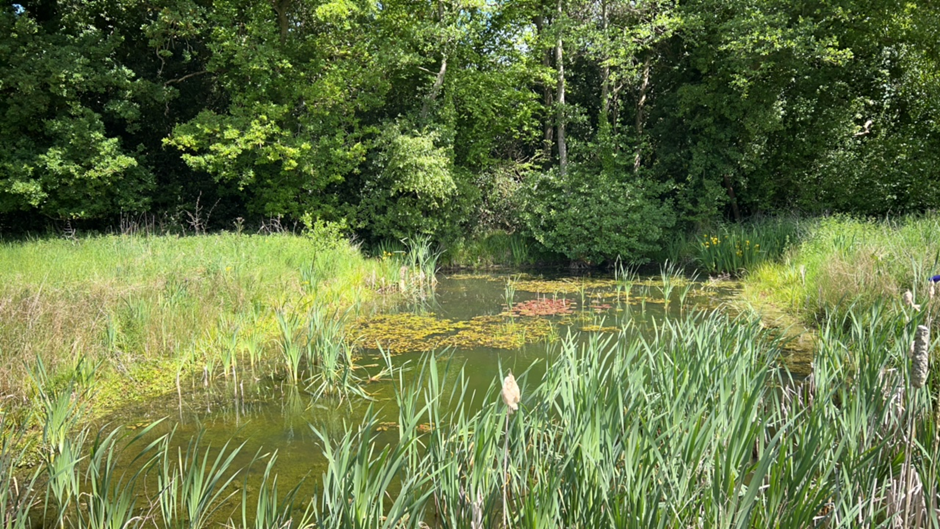
Natural England’s District Level Licensing (DLL) scheme has now been running for five years, delivering a strategic approach to creating and restoring high-quality pond habitats where they can have the greatest ecological impact. The scheme funds compensatory habitat for Great Crested Newts, offsetting the loss of ponds due to development.
Norfolk FWAG is proud to be a delivery partner for the DLL scheme. Through this scheme, eligible ponds can receive 100% funding for restoration, making it an excellent opportunity for landowners to enhance biodiversity on their land.
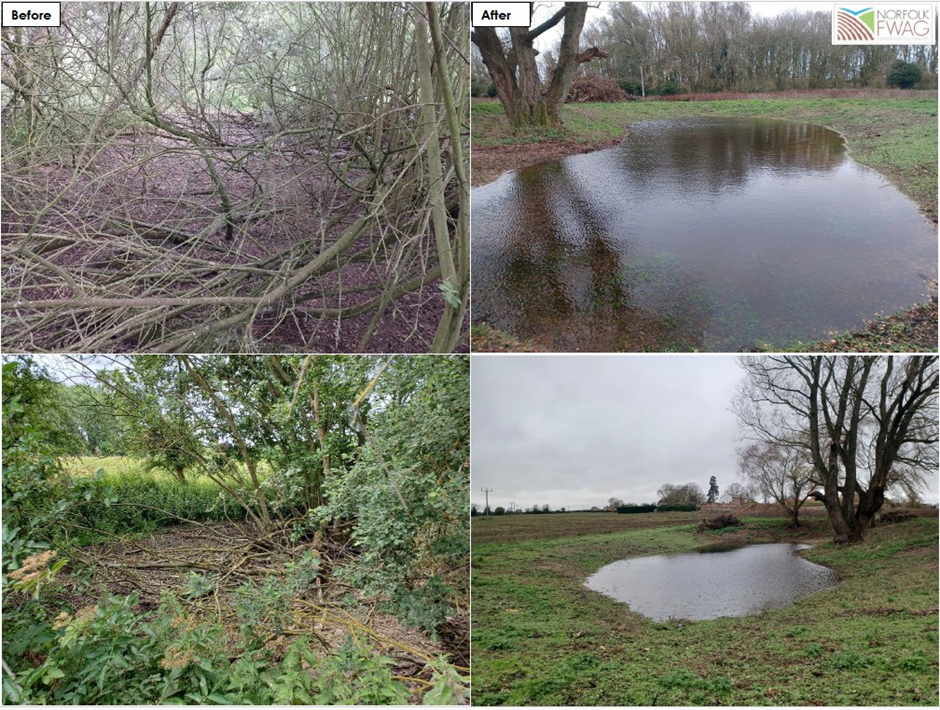
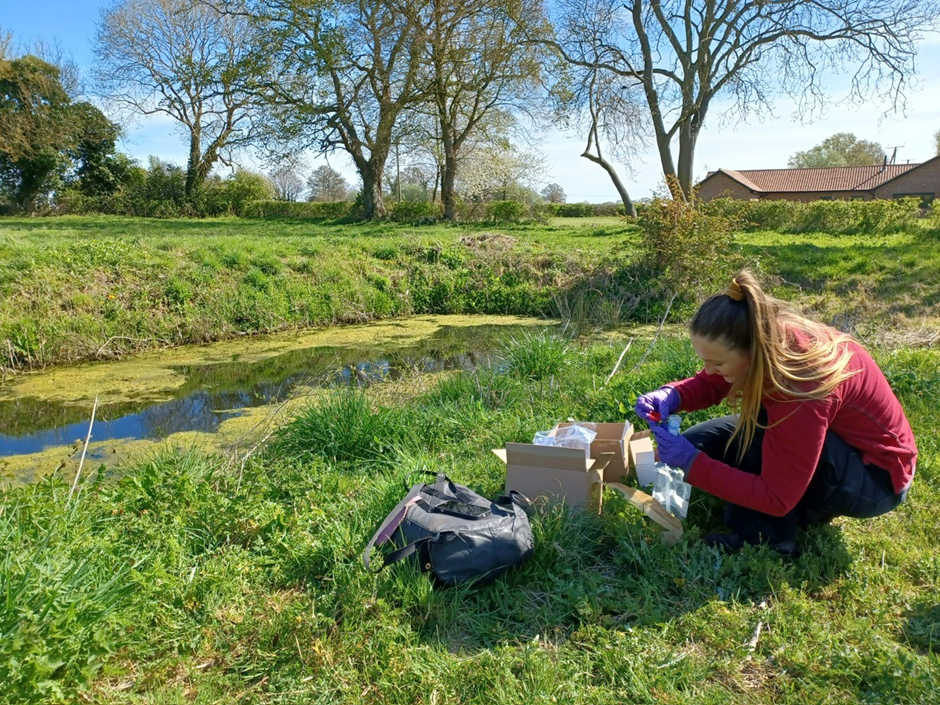
Over the past five years, more than 4,800 ponds have been created or restored through DLL, contributing to a growing and better-connected network of habitats for Great Crested Newts and other wildlife. Monitoring results are already very encouraging. Great Crested Newts have been recorded in over 37% of ponds at least once within the first five years, rising to as much as 69% in more mature, established ponds. These figures are particularly promising given that many of these ponds have only been created or restored relatively recently.
Alongside these environmental benefits, the scheme has also helped to streamline the planning process for developers. Instead of undertaking extensive surveys and on-site mitigation, developers can opt into the scheme through a financial contribution. This provides greater certainty in both costs and timelines, while still meeting legal requirements for species protection.
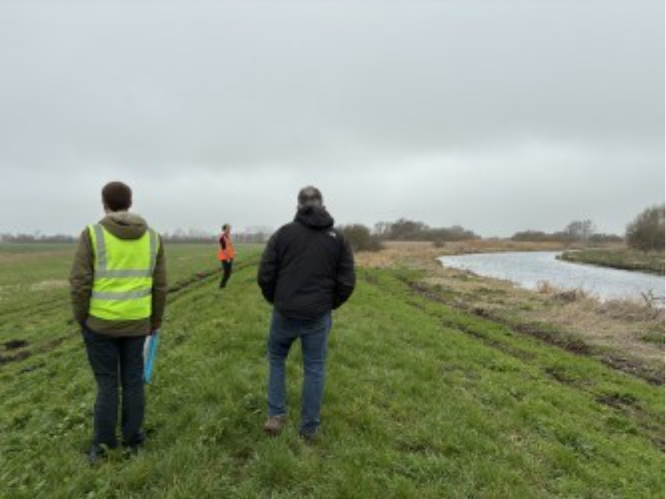
Having been at Norfolk FWAG for over a year, I’ve had the opportunity to see the pond restoration process from start to finish – from initial conversations with landowners, through site assessments and contractor visits, to seeing the work carried out in the autumn. One of the most rewarding aspects has been witnessing how quickly these ponds recover, often beginning to support a range of species within just a few months.
Looking ahead, Norfolk FWAG will be restoring a further 50 ponds this autumn, adding to the growing network of habitats delivered through the DLL scheme. It’s exciting to see this work continue to expand, and to play a part in supporting nature recovery at a landscape scale.
If you would like to find out more about pond restoration through the District Level Licensing scheme, please don’t hesitate to get in touch to organise a free pond scoping visit.