

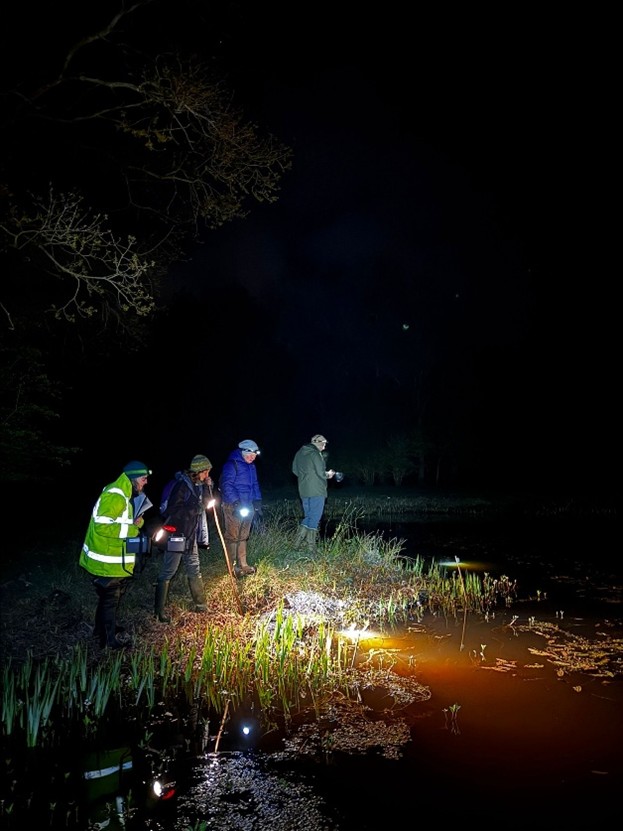
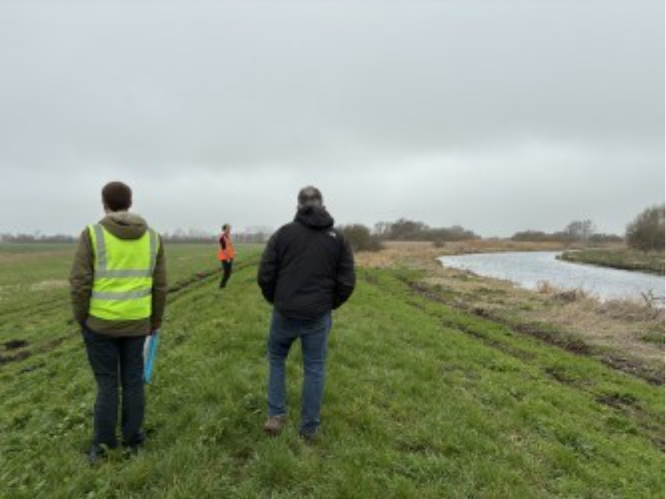
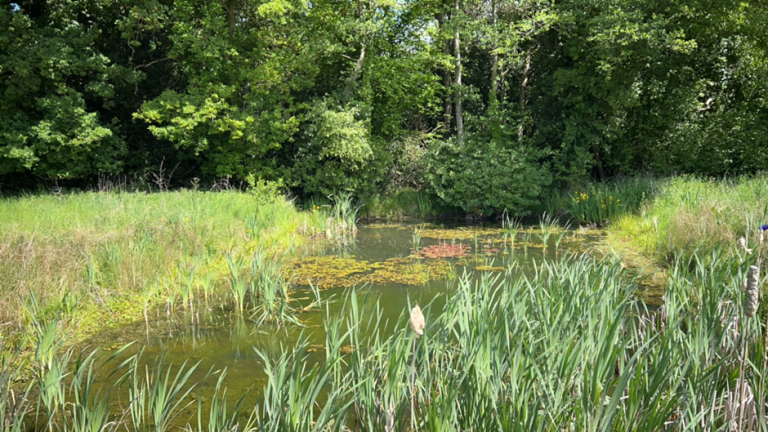
Protecting Norfolk’s waterways, wetlands, and countryside means staying vigilant about invasive species. These plants can quickly spread, disrupt local habitats, and outcompete our native flora. Below, we’ve highlighted several invasive species recently spotted in the Yare Valley and River Wensum, along with a few native species that can sometimes be mistaken for invasive ones.
Himalayan Balsam (Impatiens glandulifera)
🌍 Native to: Himalayan region
📜 Listed on: Schedule 9 of the Wildlife and Countryside Act 1981
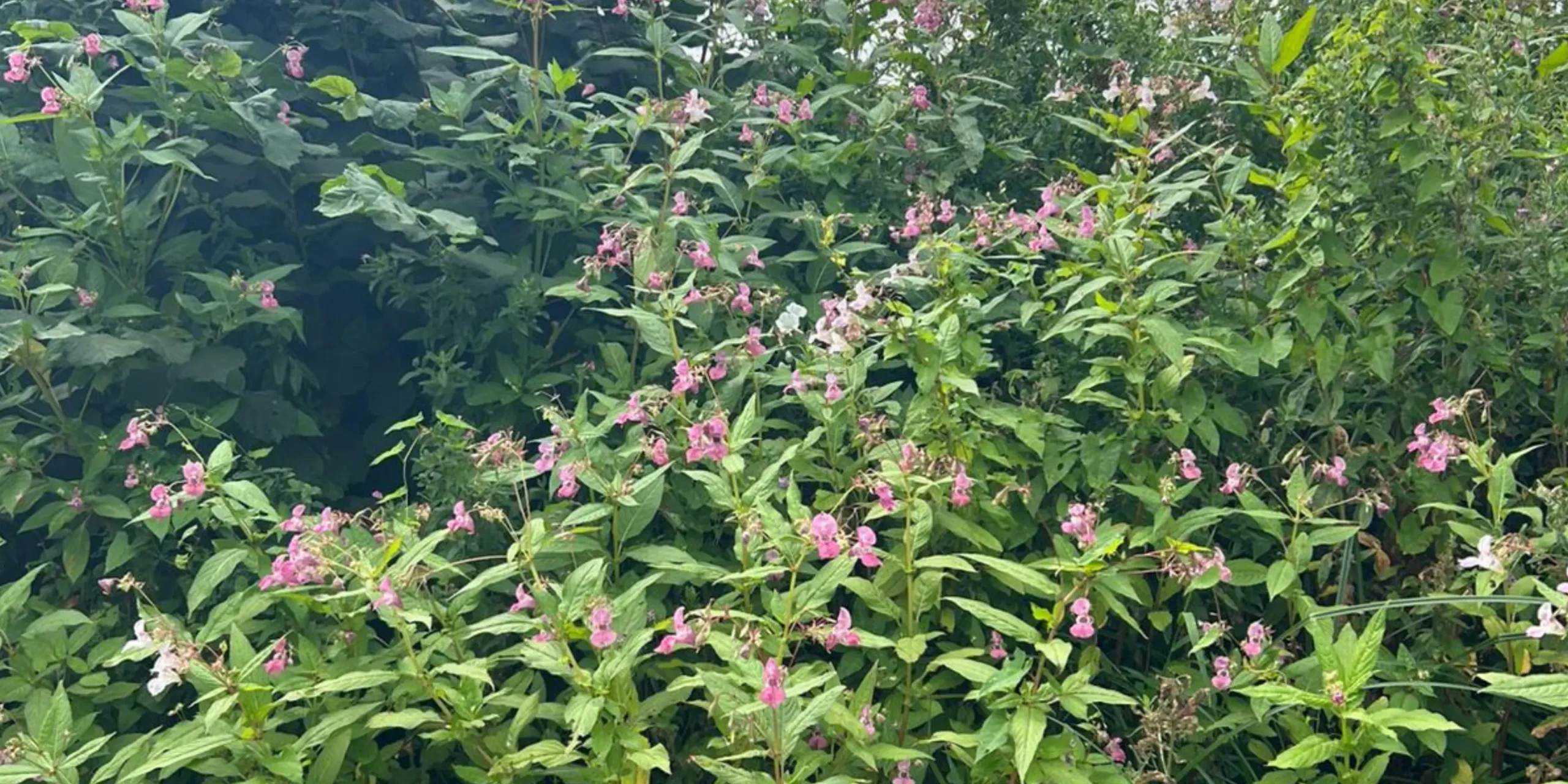
One of the most notorious invasive species in the UK, Himalayan balsam is a tall plant with pink-purple flowers that thrives along riverbanks and damp ground. Each plant can produce over 800 seeds, with exploding seedpods capable of shooting seeds up to 7 metres away. This makes it particularly hard to control once established.
We spotted Himalayan balsam in flower on a damp road verge in the Yare Valley, where seedpods were already forming. If left unchecked, it can smother native vegetation and destabilise riverbanks.
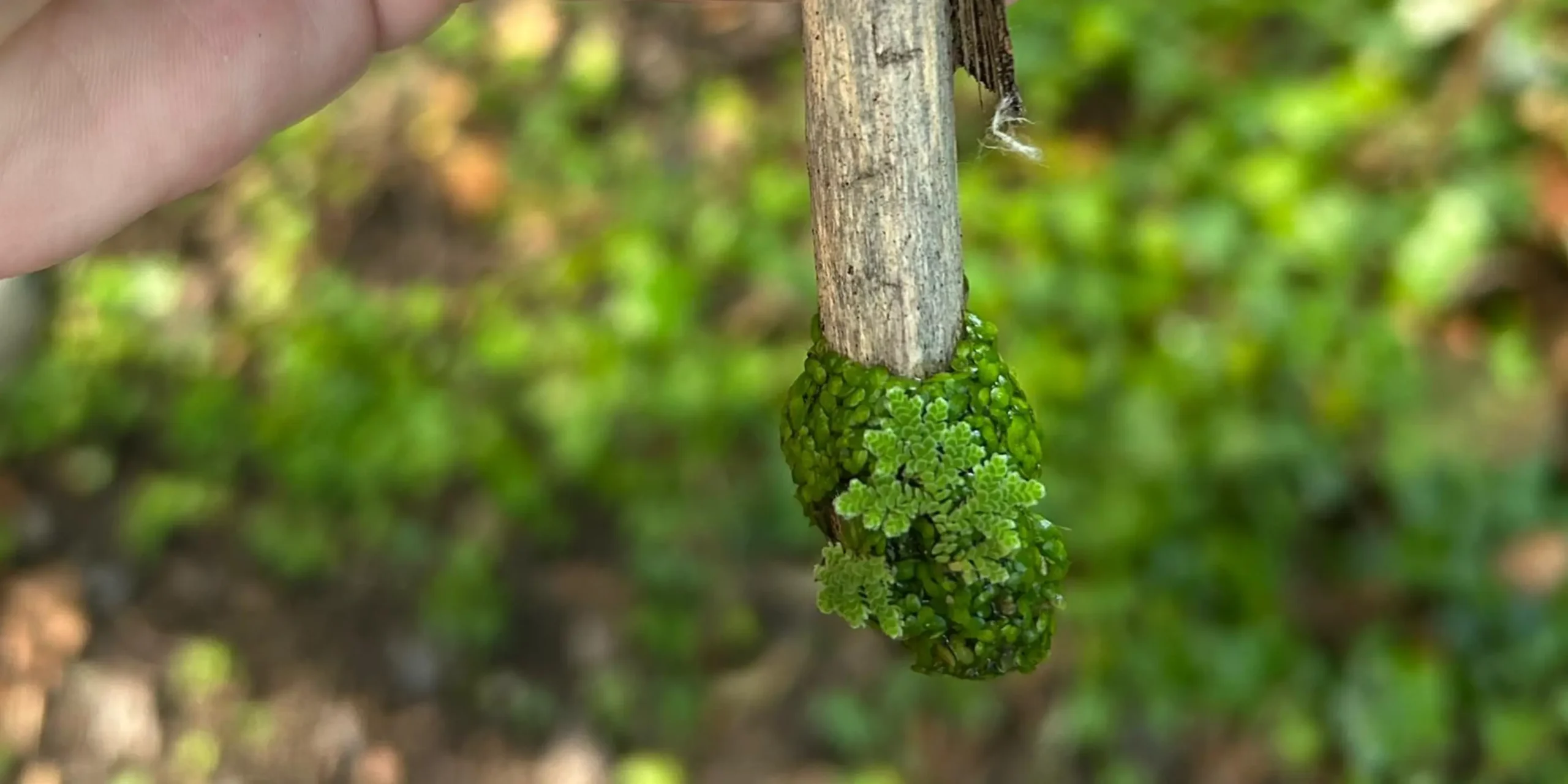
Floating Water Fern (Azolla filiculoides)
🌍 Native to: North and Central America
📜 Listed on: Schedule 9 of the Wildlife and Countryside Act 1981
This small, free-floating aquatic fern is often seen forming dense green mats on water bodies. While it may look harmless, its rapid growth can deprive submerged plants of light, reduce oxygen levels, and damage freshwater ecosystems.
Recently, we recorded floating water fern on the River Wensum, where it had spread widely across the surface.
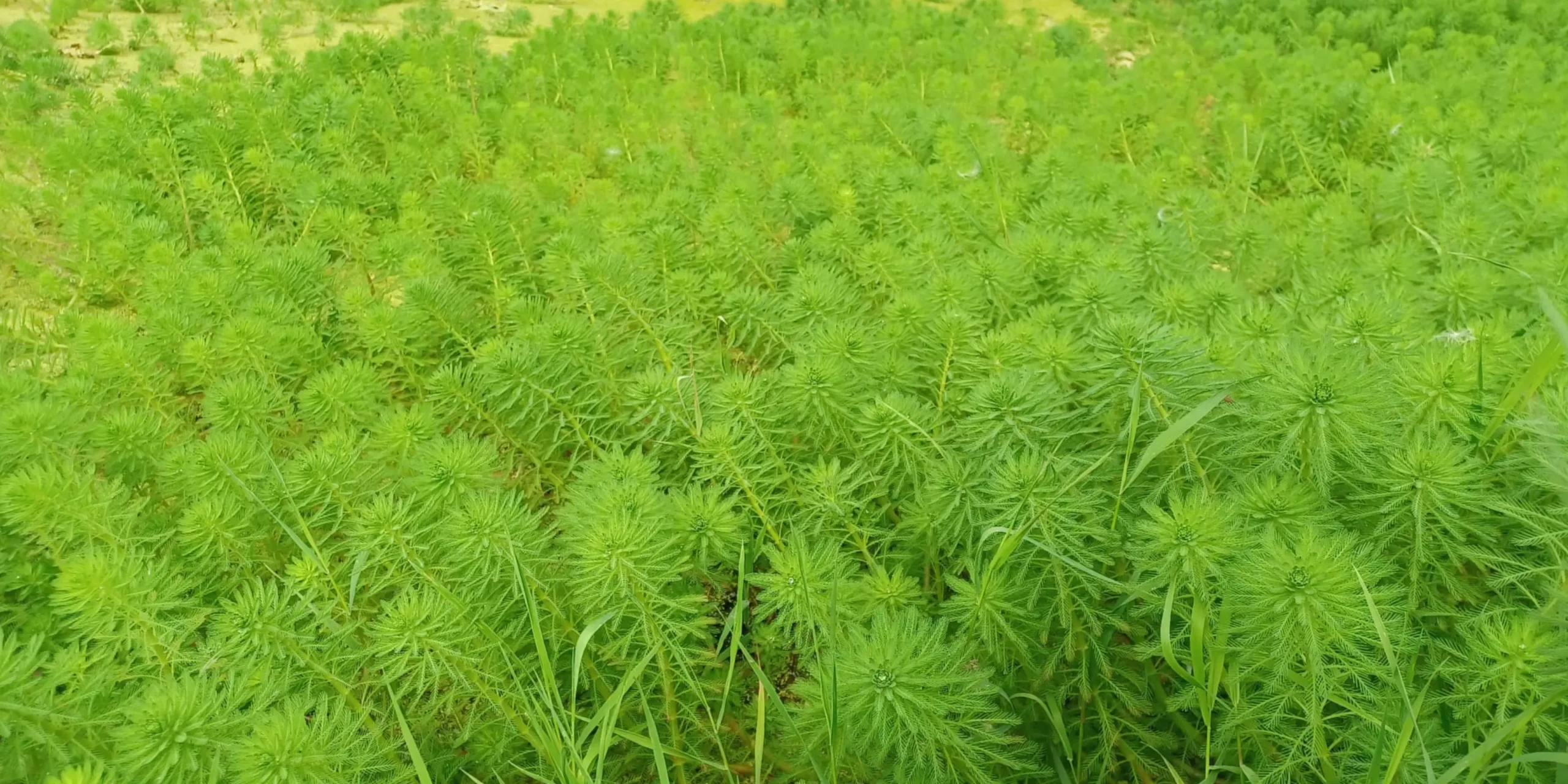
Parrot’s Feather (Myriophyllum aquaticum)
🌍 Native to: Central and South America
📜 Listed on: Schedule 9 of the Wildlife and Countryside Act 1981
Parrot’s feather is easily recognised by its feathery, whorled leaves and tendency to form thick mats across ponds and waterways. Outside of its native range, it can only reproduce asexually through stem fragments, making it particularly difficult to eradicate once established.
We observed this species in a pond within the Yare Valley, where it had already begun to dominate the water surface.
Yellow Water-Lily (Nuphar lutea)
Although not an invasive species, the yellow water-lily can often be mistaken for other species due to its large, floating leaves. Its heart-shaped foliage differs from the rounder leaves of the white water-lily.
Locally known as “brandy bottle” for its strong, alcohol-like scent, we saw plenty of these plants along the River Wensum.
Gypsywort (Lycopus europaeus)
Another native species, gypsywort is part of the mint family. It has a square, hairy stem and ragged-edged leaves. Small white flowers cluster at the base of the leaves.
We identified gypsywort on the banks of the River Wensum. While native, it’s useful to distinguish it from invasive mint-family lookalikes.
Water Forget-Me-Not (Myosotis scorpioides)
This charming native species thrives on riverbanks and wetlands. It can be told apart from tufted forget-me-not (M. laxa) by its flower structure: the calyx teeth are broad at the base (like equilateral triangles), and the style extends beyond the calyx tube.
The name comes from a medieval legend in which a knight, drowning, threw the flowers to his beloved, exclaiming, “Forget me not!”
We saw this plant flowering along the River Wensum.
Why Reporting Matters
Invasive non-native species can have serious impacts on Norfolk’s landscapes and waterways. Identifying and reporting sightings is a vital part of protecting local biodiversity. If you spot Himalayan balsam, floating water fern, or parrot’s feather, please report it to the Norfolk FWAG team.
Together, we can help safeguard Norfolk’s rivers, wetlands, and countryside for wildlife and future generations.
👉 For more information or to report a sighting, please contact Abby at Norfolk FWAG.