

Natural England has released its major new strategy (November 2025) and it sets out a bold, future-facing vision for how the UK must protect, restore and work with nature. At its heart is a simple but powerful message: nature isn’t an optional extra, it’s essential national infrastructure.
Healthy soils, thriving rivers, restored wetlands, resilient coastlines and rich habitats are just as vital to our future as transport, water supply or energy systems. For rural communities, farmers and land managers across Norfolk and Suffolk, this shift opens the door to huge opportunity.
As an organisation grounded in sustainable farming and nature-positive land management, Norfolk FWAG is well positioned to help turn this national vision into practical local action.
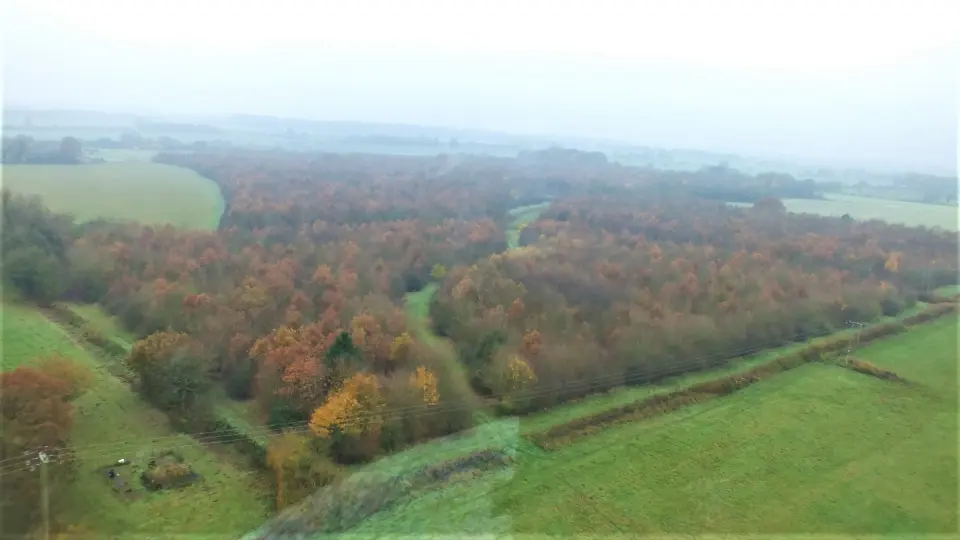
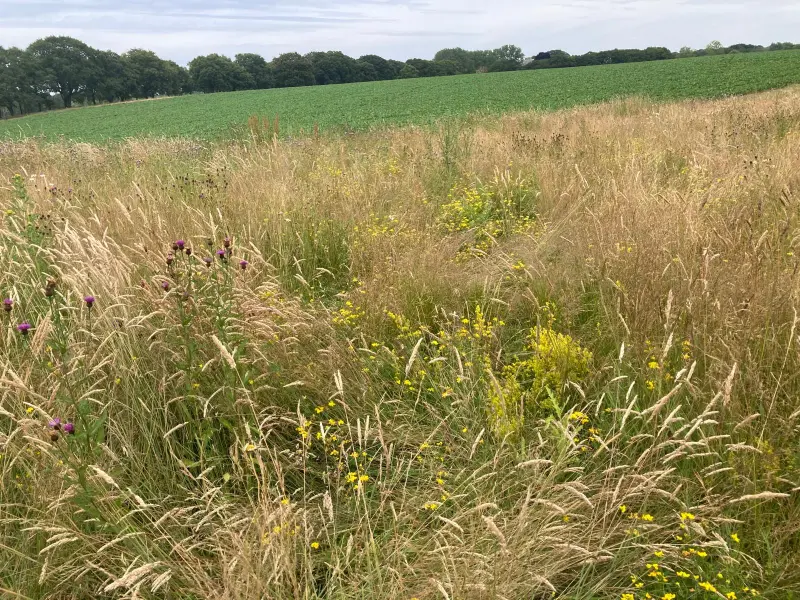
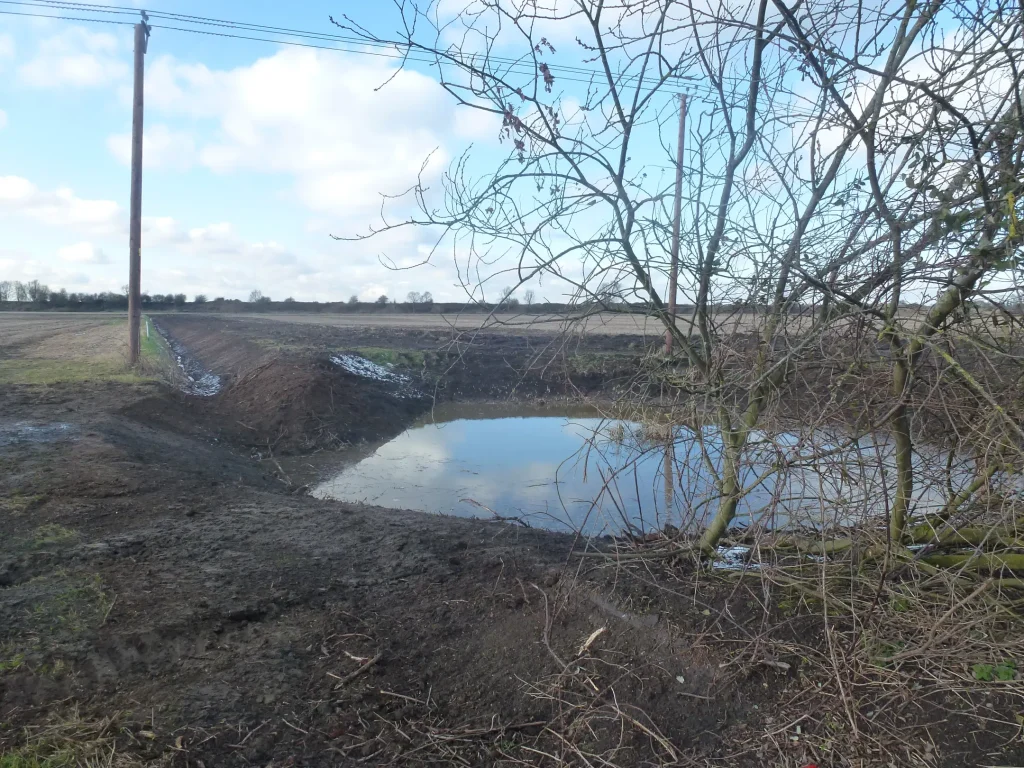
Four Strategic Goals That Align With Our Region’s Priorities
Natural England’s strategy is built around four major outcomes, each of which closely aligns with NFWAG’s mission and ambitions for Norfolk & Suffolk:
1. Recovering Nature at Scale
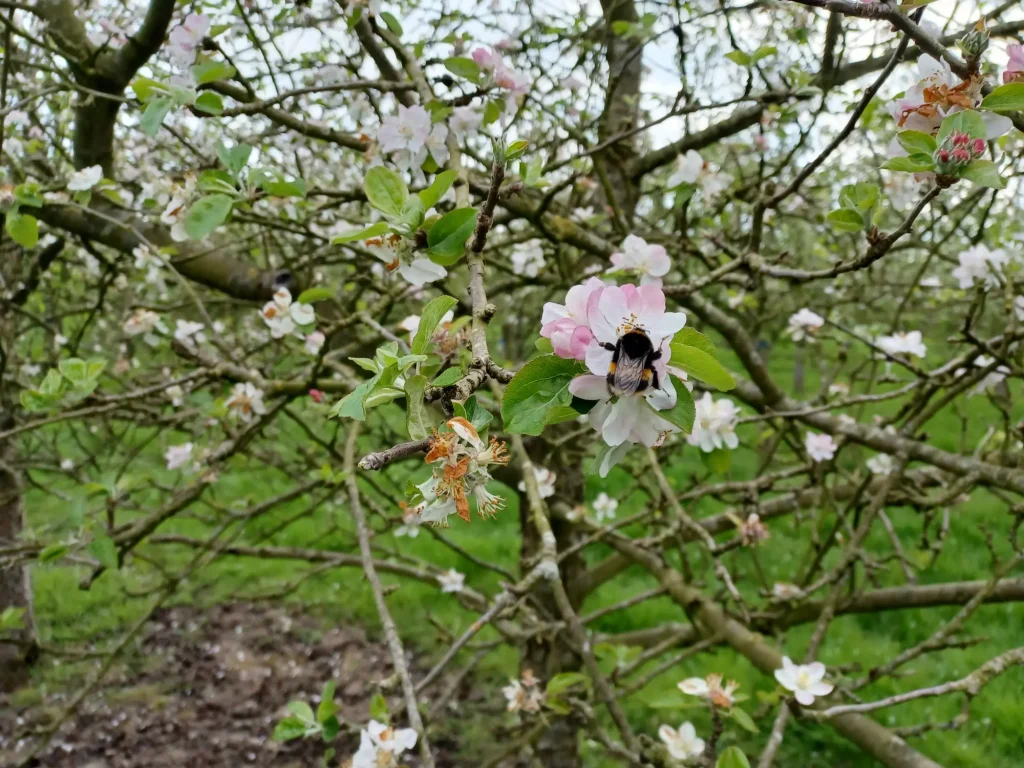
Large-scale restoration of rivers, wetlands, woodlands and habitats, not isolated pockets but connected, landscape-level nature recovery.
2. Building Better Places
Ensuring new housing, infrastructure and development deliver green infrastructure and work with nature rather than replacing it.
3. Improving Health & Wellbeing
Bringing high-quality natural spaces closer to where people live, helping improve physical and mental health and reconnect communities with the landscape.
4. Delivering Security Through Nature
Using nature-based solutions to reinforce food security, clean water, healthy soils and climate resilience – essential for rural life and farming futures.
What’s New in This Strategy, and Why It Matters Locally
Several major shifts make this strategy a significant change from previous approaches:
- Nature recovery becomes landscape-scale, covering whole catchments, coastlines and ecosystems.
- Natural England moves from regulator to partner, working collaboratively with landowners, farmers, planners and communities.
- Less bureaucracy, more outcomes, enabling flexible, impact-focused delivery.
- Development is reframed as an opportunity, not a threat – aligning nature recovery with housing and infrastructure growth.
For Norfolk and Suffolk, this is a major step forward. It reinforces the value of the work already happening locally: regenerative farming, habitat restoration, community engagement and resilient rural planning.
How NFWAG and Local Partners Can Turn Strategy Into Action
Here are practical ways our region can lead the way:
1. Identify Priority Areas for Habitat Restoration
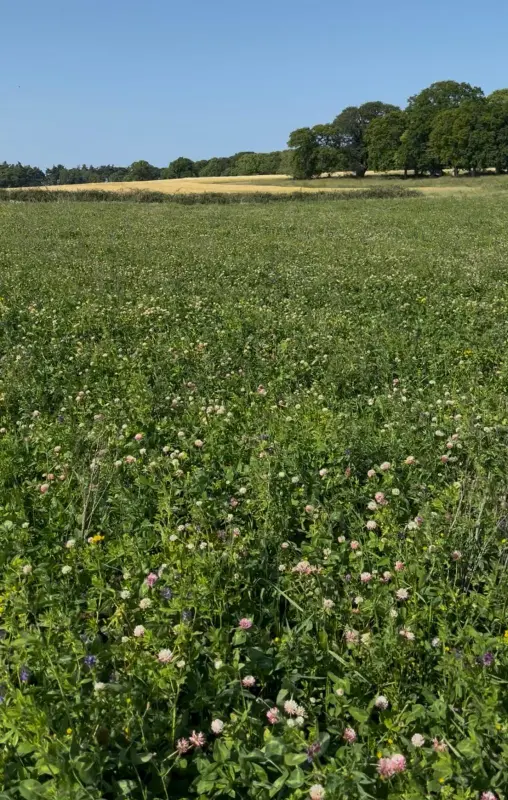
Farmland, waterways, estuaries, wetlands and coastal margins offer high-value opportunities for connectivity and ecological enhancement.
2. Support Farmers to Adopt Regenerative Practices
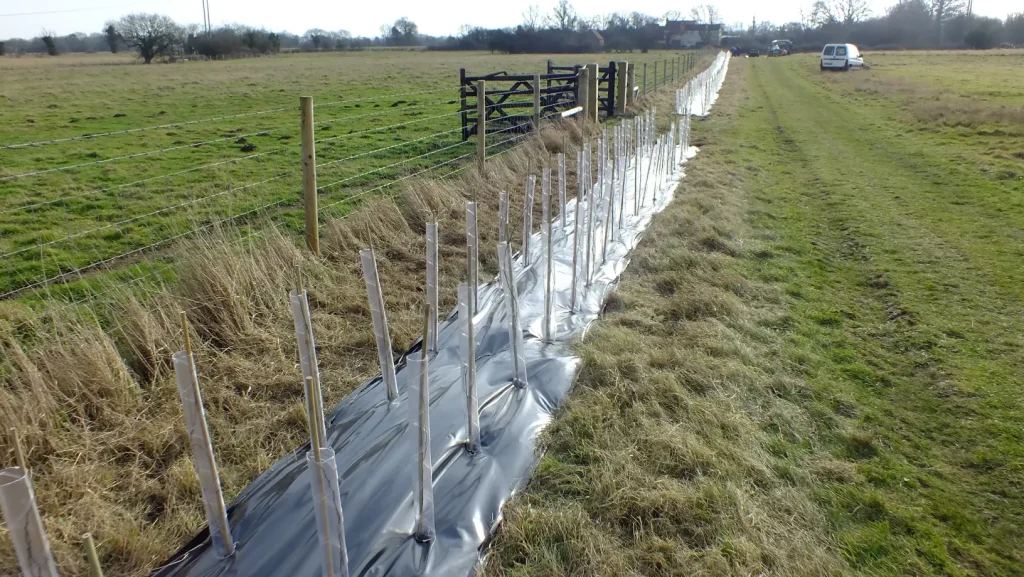
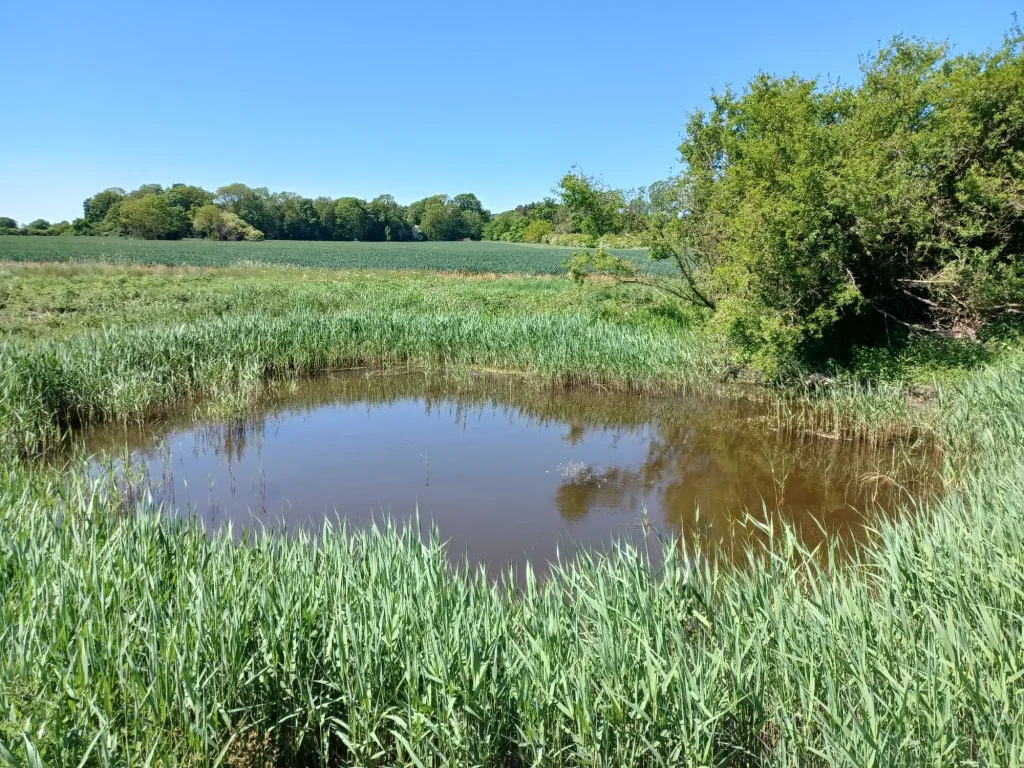
We can work with landowners on hedgerow planting, wetland creation, riparian buffers, soil regeneration and habitat-rich farming systems.
3. Shape Nature-Positive Development
Collaborating with councils, planners and developers ensures that new housing integrates habitat corridors, sustainable drainage, accessible green spaces and green infrastructure.
4. Improve Access to Nature for Local Communities
Well-designed green spaces, trails, riverside paths and restored wetlands can support recreation, wellbeing and stronger community connection.
5. Leverage Funding and Partnerships
Public and private investment, nature markets, local authorities and community partnerships can help deliver nature-positive projects at meaningful scale
Why This Matters for Norfolk & Suffolk’s Future
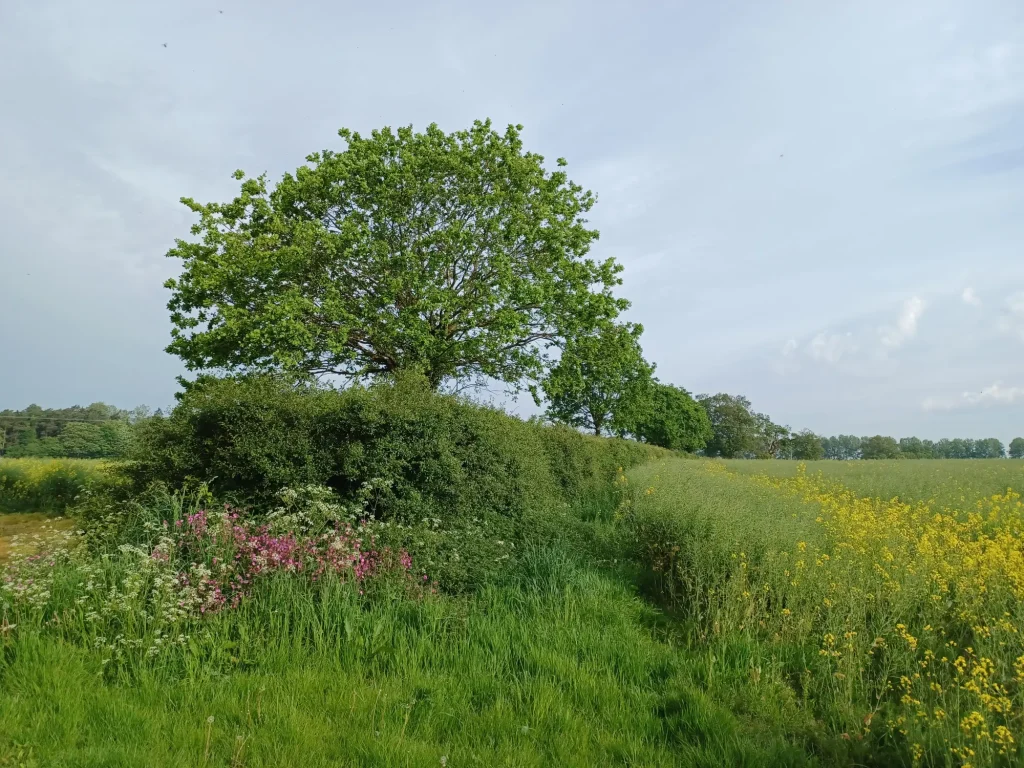
The “Recovering Nature” strategy is a reminder that nature underpins our economy, health and long-term security. By aligning our local projects with England’s national vision, we can ensure that:
- Farming and nature recovery work hand in hand
- Development enhances nature rather than replacing it
- Rural communities grow stronger, healthier and more resilient
- Our unique landscapes are protected for future generations
For Norfolk and Suffolk — with their agricultural heritage, dynamic coastlines and expanding communities – this is a pivotal moment. It’s a chance to lead by example and show how rural regions can thrive through nature-positive action.
Get Involved: Let’s Restore Nature Together
Ready to make a difference for Norfolk & Suffolk’s landscapes, wildlife, and communities? Get in touch with NFWAG today to explore partnership opportunities, funding support, or ways to bring nature-positive projects to your land or community. Together, we can turn strategy into action.